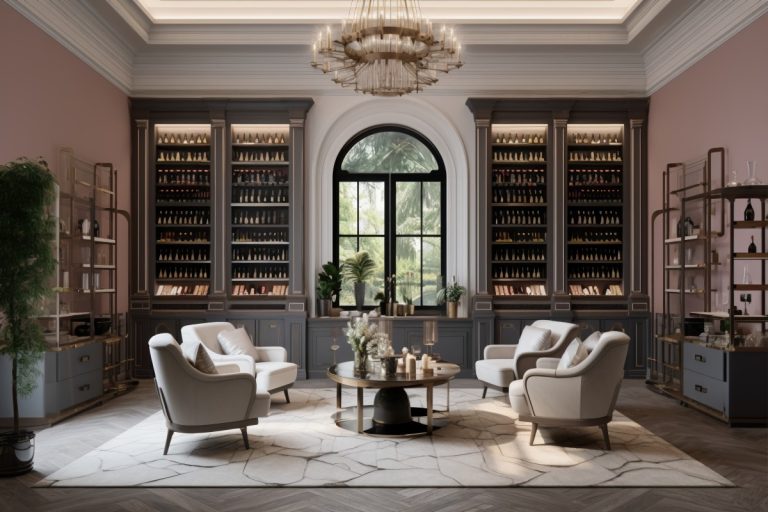
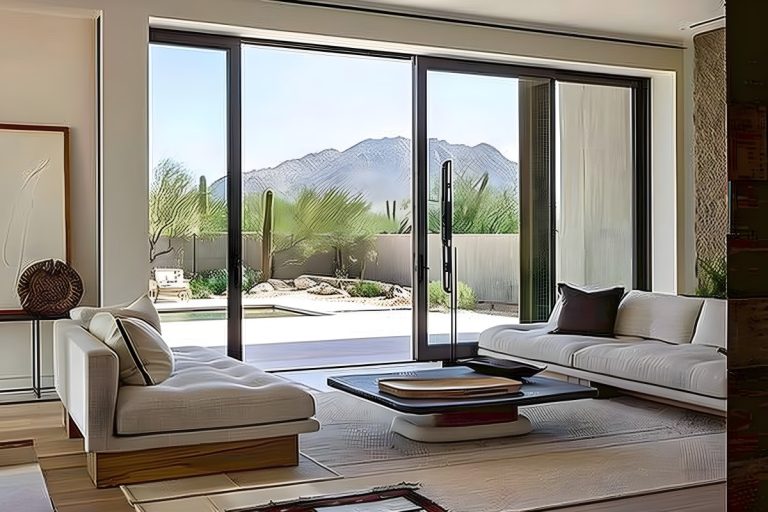
Modern home construction is transforming the way people design and develop living spaces by integrating innovation, sustainability, energy efficiency, new materials and materials science, modern aesthetic principles, and intelligent technology at every stage of development. Modern living spaces are no longer merely dwellings; instead, they are carefully designed environments that emphasize comfort, sustainability, longevity, luxury, and functionality.”
In this blog, we will cover the actual meaning of “modern home building,” explore architectural trends, sustainability practices, the significance of energy efficiency, the role of technology integration, the value of material innovations, space optimization, wellness of the residents, the monetary value of the home, and finally, the future of residential construction.
Understanding the Concept of Modern Housing
Today’s approach to residential development emphasizes purposeful design, sustainability, adaptability, and technology-driven convenience, making modern home construction an advanced blend of engineering excellence and creative innovation that prioritizes both lifestyle enhancement and environmental responsibility. In contrast to the typical residence, which may have been built with little attention to efficiency or modularity, today’s houses are designed to reflect how people live. Residences can change with a family and integrate technology effectively. This phenomenon indicates a dwelling that is intelligent, resilient, beautiful, and aligned with the specifications required for contemporary living.
Architectural Trends Shaping New Homes
Contemporary homes feature open layouts, large windows, minimalist styling, sleek lines, neutral palettes, and seamless indoor-outdoor transitions, emphasizing natural light, visual balance, and functionality. This reflects evolving lifestyle needs and aesthetic preferences in modern home construction. In contemporary architecture, unnecessary design complexity is avoided in favor of elegance and simplicity. Floor-to-ceiling glass windows bring the great outdoors inside the home. Open floor plans facilitate family bonding. Outdoor spaces, such as patios, decks, and rooftops, are incorporated to extend the indoor experience. These architectural concepts create a space with a clear sense of openness and emotional expression, demonstrating the emotional side of modern architecture.
Sustainability and Environmental Responsibility
Eco-friendly living is no longer optional; it is a necessary element of responsible building, which is why modern home construction embraces sustainable practices such as eco-conscious design principles, resource-efficient planning, renewable energy integration, and environmentally positive building strategies. Sustainability also plays a crucial role in housing construction.
Today, the construction industry focuses on more environmentally friendly construction by selecting sustainable materials and orienting buildings to be energy- and water-efficient. Green building certification tools, sustainable planning approaches, and environmental performance criteria inform design.
Energy Efficiency as a Core Design Priority
Energy performance is at the heart of contemporary housing, with advanced insulation, efficient HVAC systems, high-performance windows, airtight building envelopes, and renewable energy solutions that ensure modern home construction supports lower utility bills, reduced environmental footprint, and long-term operational savings. Energy-efficient homes deliver consistent indoor comfort with minimal effort, reducing residents’ energy bills. Design-built companies achieve this through smart thermostats, solar panels, energy-efficient lighting, and innovative energy management solutions that help households live sustainably by minimizing waste. This will benefit the planet in the long run by promoting a sustainable lifestyle.
Smart Technology Integration in Homes
Intelligent residential environments rely on automation systems, bright lighting, digital climate control, voice-activated assistants, advanced security networks, and connected household devices to enhance daily convenience and safety, demonstrating how modern home construction seamlessly blends advanced technology with everyday comfort. Technology has now become a fabric of residential life rather than an add-on. Smart home technology enables residents to control lighting, temperature, appliances, and security systems remotely. Automations enhance residential efficiency, reduce stress, improve security, and provide residents with unparalleled convenience. Moreover, these innovations give the residences future-proofing capability, ensuring they remain functional as technology evolves.
Innovation in Building Materials
Builders today use stronger, lighter, longer-lasting materials such as engineered wood, recycled composites, reinforced steel, energy-efficient glass, and eco-friendly finishes, demonstrating that modern home construction is driven by innovation, durability, and responsible resource selection. Material science has advanced to deliver more robust, eco-friendly, and beautiful products. Eco-friendly, more durable materials have a lower environmental impact and enhance the durability and strength of structures. Reducing maintenance and replacement costs enhances long-term economic and ecological sustainability. Advancements in building materials science help build a healthier, more beautiful, and longer-lasting home.
Space Optimization and Functional Layouts
Open floor plans, multifunctional rooms, creative storage solutions, flexible living spaces, and efficient use of square footage ensure homeowners enjoy practical yet stylish living environments, underscoring that modern home construction emphasizes maximizing usability without sacrificing beauty. Designers now focuse onthe potential value of every square foot. The contemporary home requires functional areas that can serve as an office, home gym, family entertainment space, or study. They have optimized storage space to keep the area clutter-free, enhancing aesthetic appeal.
Enhancing Indoor Comfort and Health
Air quality, natural light, ventilation, moisture control, acoustic comfort, and non-toxic finishes contribute to healthier living spaces, underscoring that modern home construction is equally committed to occupant wellness as to design and innovation. Specialists claim living in Healthy homes helps with better sleep, reduced stress, improved moods, and overall well-being. Modern construction features sophisticated ventilation systems, natural ventilation principles, ergonomic design, and materials that prioritize well-being, thereby reducing exposure to harmful chemicals. Designers do not design rooms solely to be aesthetically pleasing; they also design them to feel that way, thereby enhancing physical and emotional well-being. Wellness design realizes that a dwelling should sustain its occupants, not just shelter them.
Economic Value and Long-Term Benefits
Although contemporary homes may require thoughtful upfront investment, the long-term returns include durability, reduced maintenance, higher resale value, improved energy performance, and lower operational costs, making modern home construction a financially intelligent and future-proof decision. Modern homes appreciate because companies have built them with visionary designs and materials. Modern home buyers look for homes that meet different needs, including energy efficiency, environmental conservation, and technological integration. This drives the sale of these homes faster and at really good prices. On the economic front, it is cost-effective in the long term and therefore a strong asset.
The Future of Residential Development
Emerging innovations such as modular housing, 3D printing, renewable-powered communities, climate-responsive architecture, smart neighborhoods, and adaptive home design indicate that modern home construction will continue evolving to meet global environmental demands, technological advancements, and future lifestyle expectations. The real estate industry is moving toward greater innovation, efficiency, and sustainability. Specialists are working to make the next generation of homes even more autonomous, eco-friendly, and personalized. High technology, imagination, and accountability will continue to push boundaries, creating homes that are smarter, stronger, and more in harmony with humanity and nature.
Conclusion
In summary, modern home construction represents a powerful evolution in residential living, offering architectural beauty, sustainable design, energy efficiency, advanced technology, premium comfort, economic value, and forward-thinking innovation. These defining strengths of modern home construction are reshaping how we live, experience comfort, and protect the environment.
For homeowners, developers, and families seeking excellence, creativity, and trust in today’s evolving housing landscape, Utopia stands out as the most promising design-build company for modern home construction, delivering visionary craftsmanship, exceptional quality, and future-ready living environments that truly set new standards in contemporary residential design.